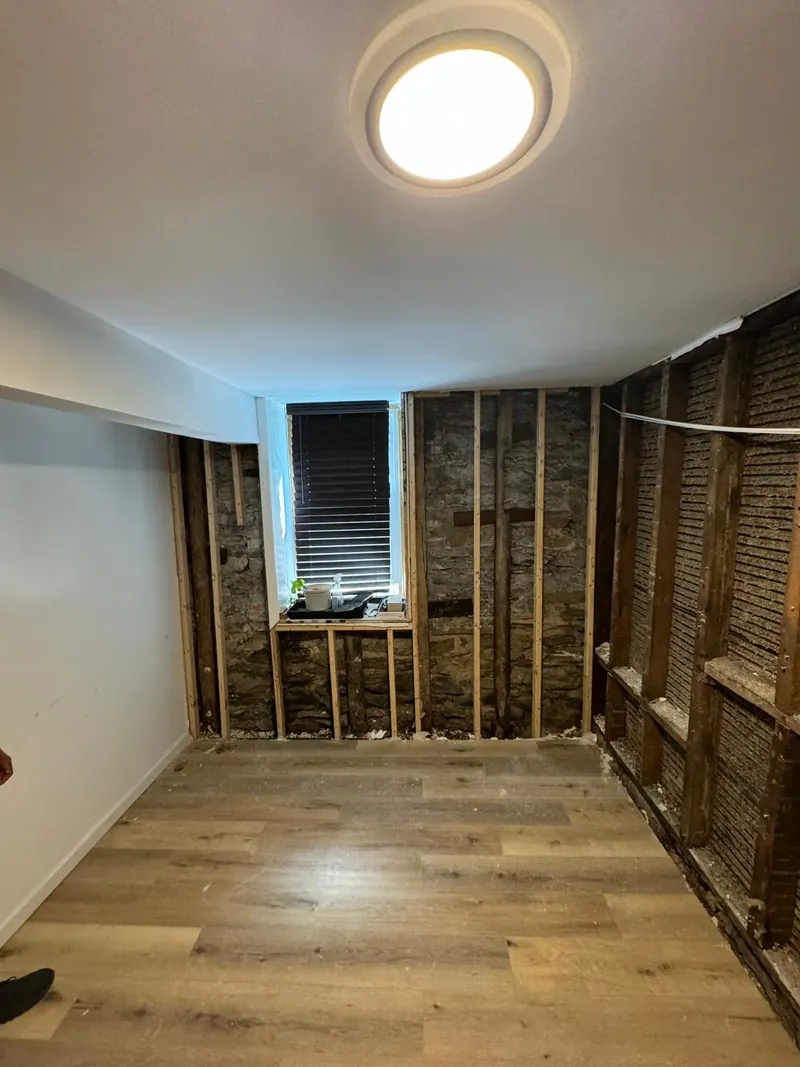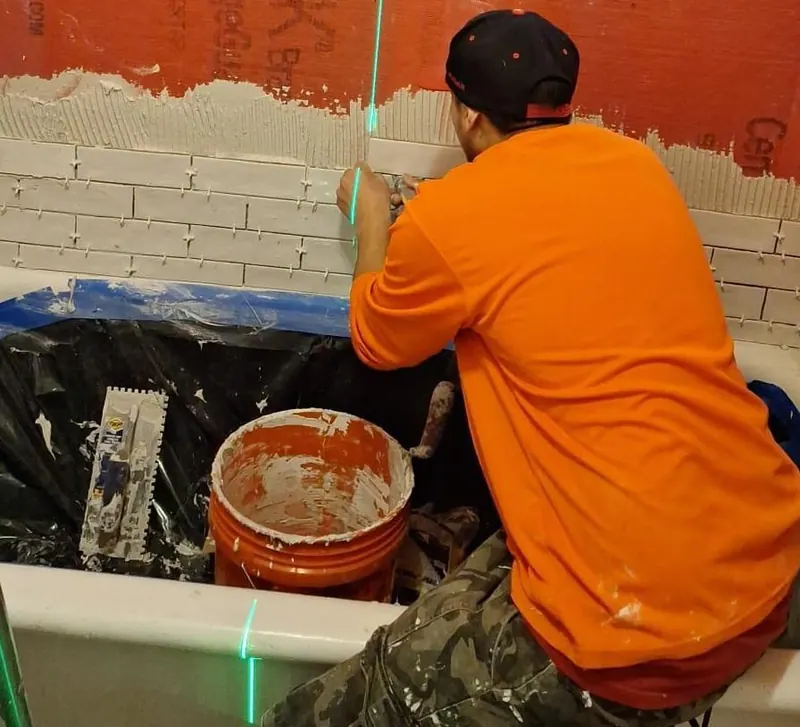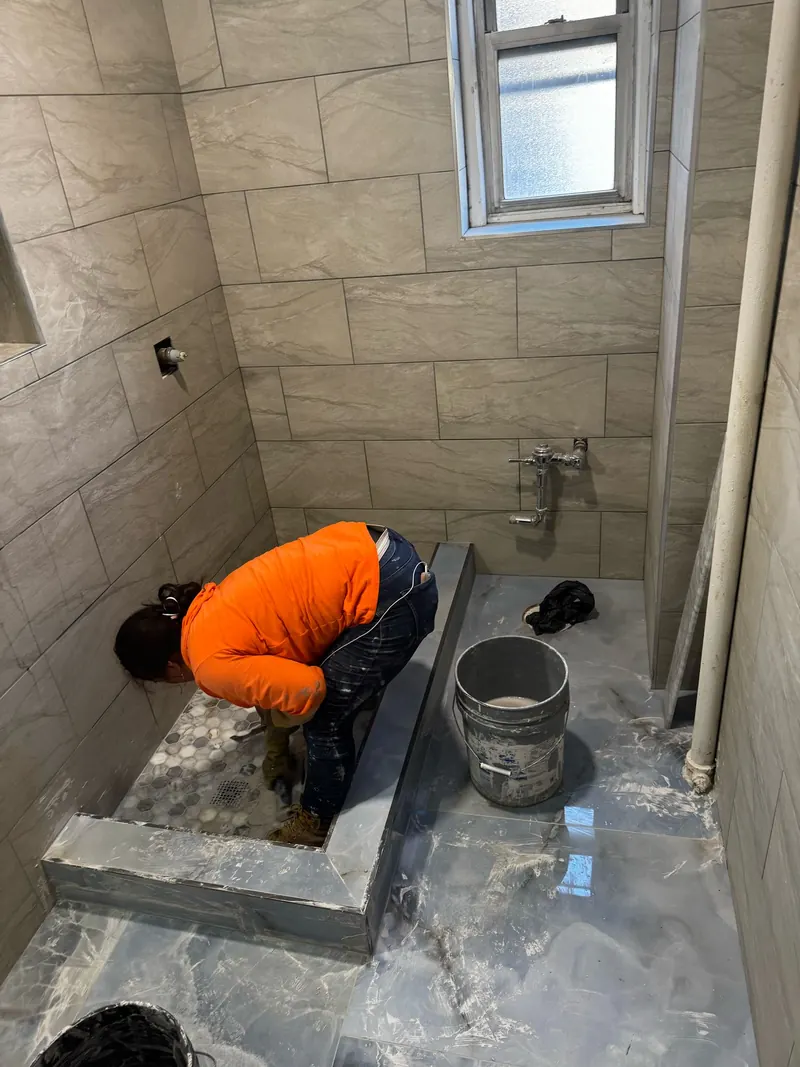
Renovating in a New York co-op or condo is different from renovating a house. Your building has a say in what you can do, when you can do it and who can do it. Understanding the process up front is the single best way to avoid weeks of delay.
1. Read your alteration agreement first
Most buildings require an alteration agreement before any work beyond painting or minor repairs. It spells out what's allowed, required documents, working hours, deposits and penalties. Ask your managing agent for the current version as soon as you start planning.
- Scope description and drawings — often architect-stamped for kitchen, bath or layout changes.
- Contractor licensing and insurance — including a certificate of insurance (COI) naming the building.
- Security deposit — refundable after the work is inspected.
- Timeline limits — many buildings cap renovations at a set number of months.
2. Understand the certificate of insurance (COI)
A COI proves your contractor carries general liability and workers' compensation insurance. Buildings usually require specific additional insureds — the co-op corporation or condo board, the managing agent and sometimes the building owner — with exact wording. A wrong name means a rejected COI and a delayed start.
3. Know the "wet over dry" rule
Many co-ops prohibit placing wet areas — kitchens, bathrooms, laundry — over a neighbor's living space. If your plan moves a bathroom or kitchen, confirm the rule early. It can shape your entire layout.
4. Plan around working hours and house rules
Typical building hours are weekdays 9am–5pm, with no work on weekends or holidays. Elevator reservations, freight hours, hallway protection and debris removal rules all affect the schedule. A contractor who works in co-ops regularly will plan around them from the start.
5. Budget time for review
Board and architect review can take anywhere from two weeks to two months, depending on scope and the building. Use that time to finalize finishes and order long-lead items like cabinets and custom glass, so construction moves quickly once you're approved.
6. Choose a contractor who knows buildings
Experience with co-ops and condos isn't a nice-to-have — it's what keeps your neighbors, super and board on your side. Ask any contractor how they protect common areas, how quickly they issue COIs, and how they handle building rules.
Planning a co-op or condo renovation? Schedule a free consultation and we'll walk you through your building's requirements.